
Get More Leads From Social Media .
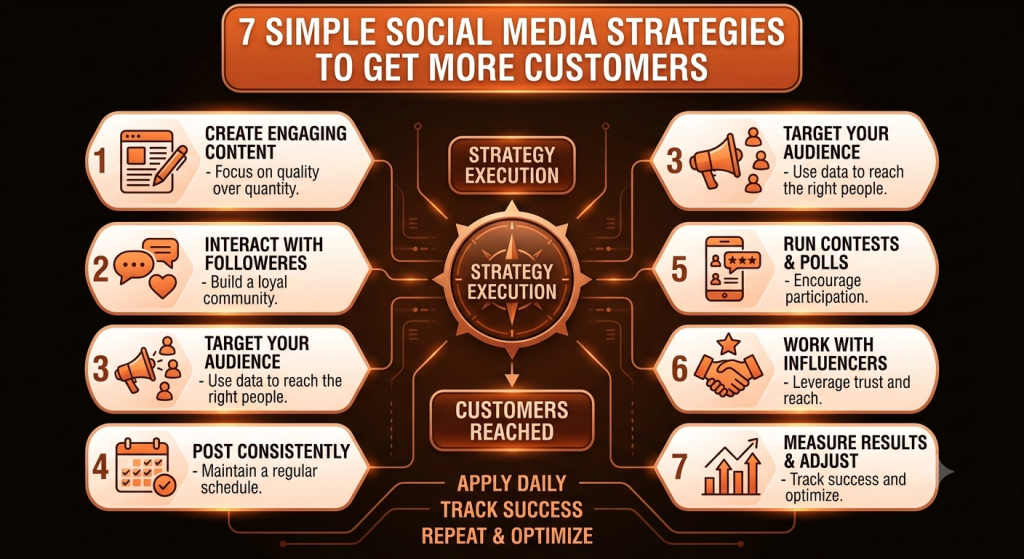
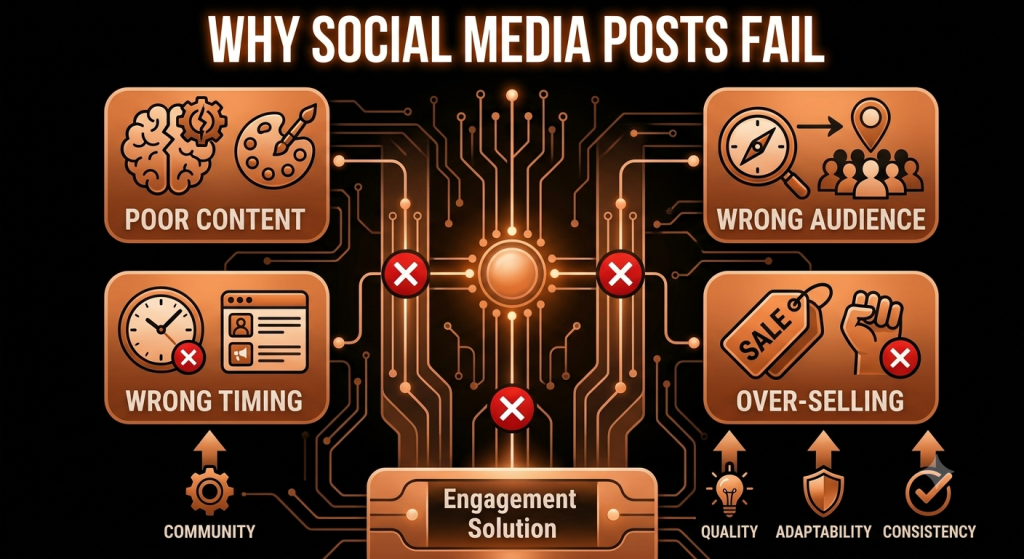
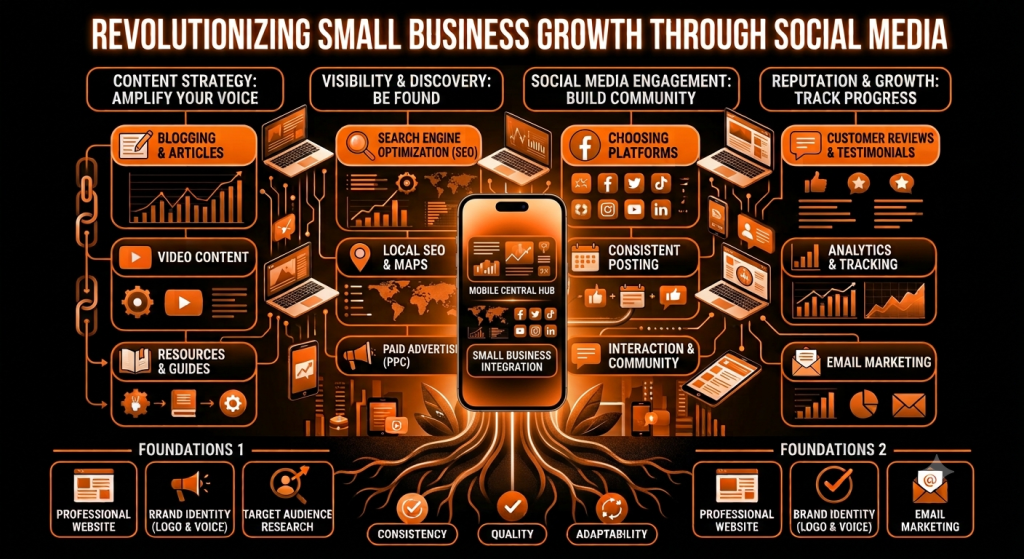
You post regularly. People like your posts, some even comment. But when you check your enquiries, there is barely anything new. It is one of the most common frustrations business owners run into with social media, and it usually has nothing to do with how good your content looks. Followers and likes are not the same as leads. A lead is someone who has shown real interest, someone who might actually message you, call you or fill in a form. Getting more leads from social media means understanding the gap between attention and action, and closing it on purpose. This guide walks through how to do that, in plain language, without pretending social media is magic. Click here Quick Answer: How Can You Get More Leads From Social Media? You get more leads from social media by posting content that genuinely helps your audience, knowing exactly who you are trying to reach, and using a clear call-to-action on every post. Offer something valuable, make it easy for people to contact you through DMs, forms or landing pages, and reply quickly. Track what actually leads to enquiries, and build trust steadily instead of trying to sell in every post. 1 What Does Social Media Lead Generation Actually Mean? A social media lead is someone who takes a small step toward doing business with you: sending a DM, commenting to ask a question, filling in a form, or clicking through to your website with intent. A follower is just someone who chose to see your posts. That is not the same thing. Think of it as a path: someone becomes aware of you, then shows interest (a lead), then confirms they are seriously considering you (a qualified lead), and then buys (a customer). Example: a yoga studio posts a short video on “3 stretches for a stiff neck.” Someone comments asking about class timings. That comment is a lead. The studio still has to reply, answer questions and make booking easy before that person becomes a paying student. 2 Why Social Media Can Help You Get More Leads Social media is not a guaranteed lead machine, but it does a few things well when used with intent: Reaching the right audience through targeting and relevant content Building awareness among people who have never heard of you Starting conversations in comments and DMs Demonstrating expertise through what you share Building trust over repeated, consistent posts Bringing traffic to your website or a landing page Encouraging enquiries when the next step is obvious Staying connected with people who are not ready to buy yet 3 Know Who You Want to Attract Before you plan any content, get specific about who you actually want to reach. Broad content attracts a broad, often uninterested audience. Think about their problems, needs, buying intent, common questions and pain points, and the kind of content they are likely to respond to. Example: a local pest control business decides its ideal customer is homeowners dealing with an active infestation, not people just curious about bugs in general. So instead of generic “pest facts,” it posts things like “How to tell if it’s termites or just old wood damage,” which speaks directly to someone with a real, current problem. 4 Create Content That Helps People Useful content earns attention before it asks for anything. This includes educational posts, how-to content, quick tips, problem-solving posts, FAQs, short videos, honest before-and-after examples where relevant, simple service explanations, answers to real customer questions and general industry insight. There is a real difference between promoting and helping. “We offer the best home cleaning service” promotes. “Here are 3 things a good cleaning team checks that most people forget” helps someone decide, and it naturally shows what you know. 5 Use Strong Calls to Action A call-to-action (CTA) tells people exactly what to do next. Without one, even a great post can end with people just scrolling on. Natural examples include: Send us a message Book a consultation Get a free quote Contact us today Visit our website Download the guide Ask us a question Request more information Match the CTA to the post. A tips post might invite a question in the comments. A service post might ask people to book a call. Trying to sell hard in every single post usually backfires. 6 Turn Engagement Into Conversations Like→Comment→DM→Enquiry→Customer Leads usually build up through a simple sequence: Like → Comment → DM → Enquiry → Customer. Your job is to keep that chain moving instead of letting it stop at “like.” Reply to comments, even simple ones. Answer questions properly instead of with a generic “DM us.” When someone does message you, keep the conversation useful and human rather than jumping straight into a sales pitch. Example: someone comments “Do you deliver to Andheri?” on a bakery’s post. A quick, friendly reply with delivery details, followed by an invite to message for today’s menu, is far more likely to turn into an order than silence or a delayed response. 7 Use Stories and Short-Form Content Short-form content like reels, stories and quick videos tends to get seen by more people relative to longer content, largely because it is easy to watch and easy to share. It works well for quick tips, FAQs, behind-the-scenes glimpses, product or service demonstrations and short educational clips. Exact reach and performance depend on the platform and change over time, so it is best not to treat any specific number as a guarantee. What stays true is that short, useful, honest content tends to hold attention better than a long, purely promotional post. 8 Build Trust Before Asking for the Sale Very few people contact a business after seeing just one post. Most need to see you show up a few times before they feel comfortable reaching out. Trust builds through helpful information, consistency, visible expertise, transparency, clear communication, real examples, genuine customer experiences where you actually have them, and honestly addressing common concerns. If every post is “Buy now,”